Marketing in the Age of Influencers and Algorithms: What Future Managers Must Learn
Marketing has always followed people. When consumers spent more time with newspapers, radio, and television, brands built their communication around mass media. When consumers moved to search engines, e-commerce platforms, social media, and mobile-first content, marketing moved with them. The current shift, however, is not just about a change in media channels. It is about a change in how attention is earned, how trust is formed, and how consumer decisions are influenced.
Two forces now shape much of modern marketing: influencers and algorithms. Influencers create conversations, credibility, aspiration, and community. Algorithms decide what content appears, who sees it, how frequently it is shown, and whether it travels further. For future managers, this creates an important learning challenge. Marketing can no longer be understood only through advertisements, taglines, or brand campaigns. It must be understood through consumer behaviour, platform logic, performance metrics, digital trust, and ethical responsibility.
Why Marketing Is Changing Now
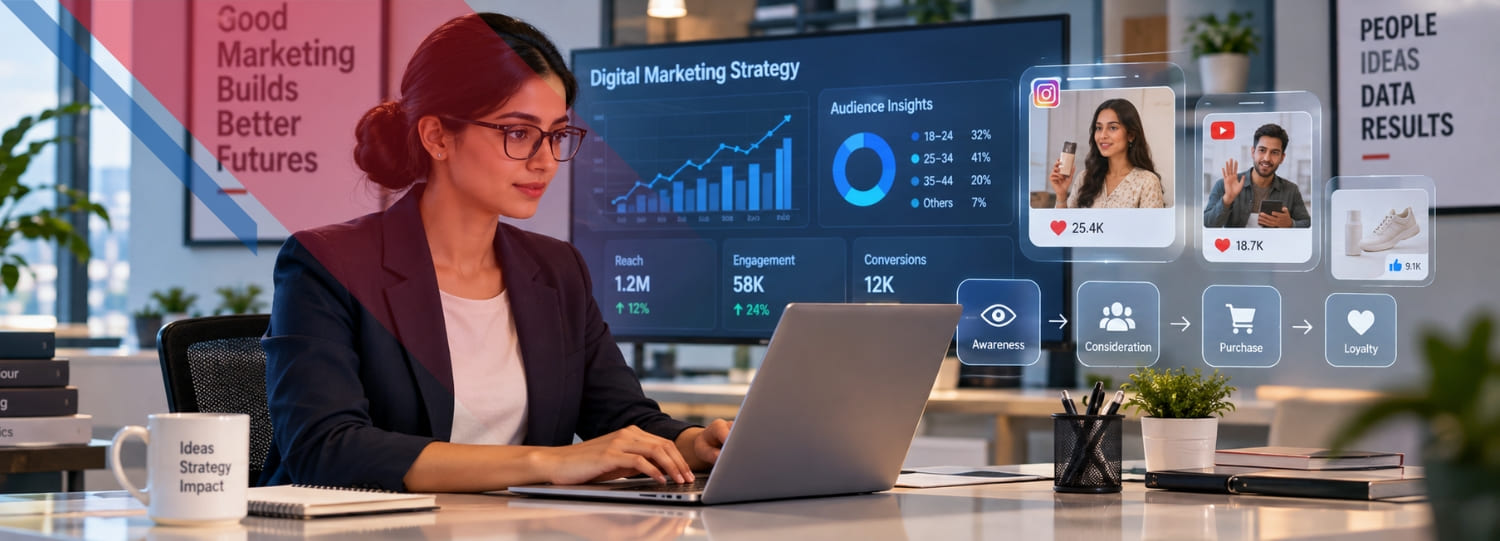
The rise of digital platforms has made consumer attention more fragmented and more measurable. A consumer may discover a product through an Instagram reel, compare reviews on YouTube, search for alternatives on Google, check prices on an e-commerce platform, and then make a purchase after seeing a retargeted advertisement. This journey is not linear. It is influenced by peers, creators, reviews, recommendations, ratings, search results, and platform feeds.
This is why marketing today is less about broadcasting a message and more about managing a series of touchpoints. Each touchpoint can shape perception. A creator’s recommendation may build awareness. A review video may influence consideration. A discount notification may trigger conversion. A poor comment response may damage trust. The modern marketing manager must therefore understand not only what the brand wants to say, but also how consumers encounter, interpret, and respond to that message.
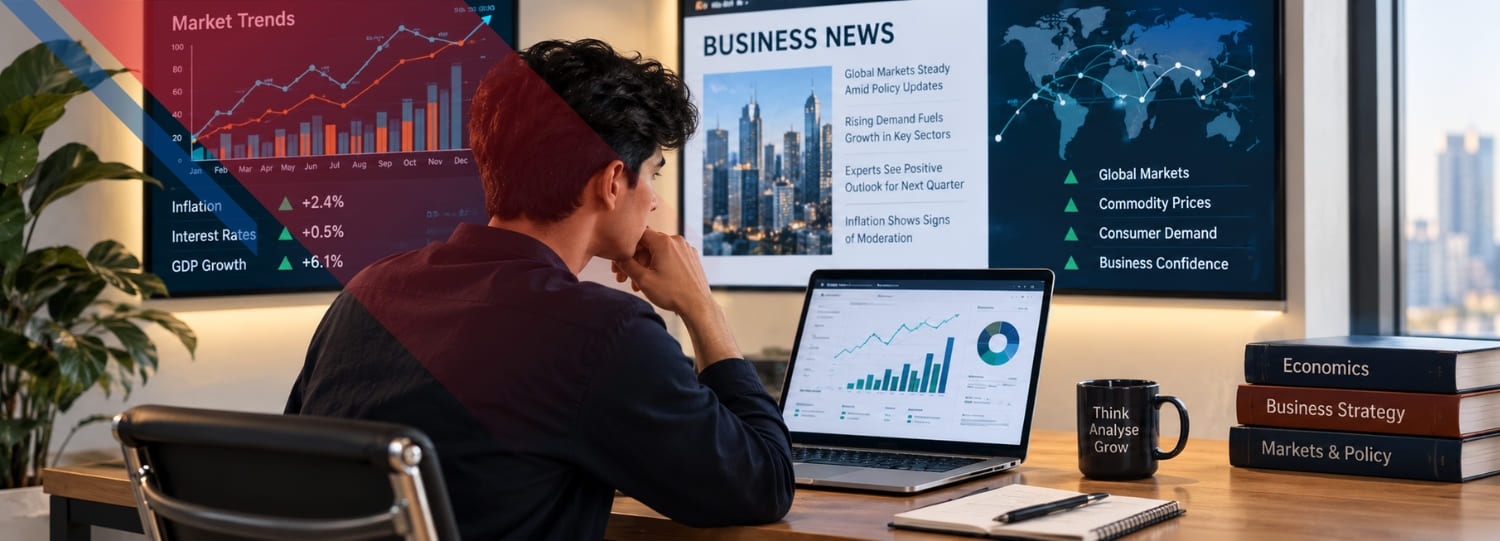
The World Economic Forum’s future skills discussion has repeatedly highlighted analytical thinking, creative thinking, technological literacy, and AI-related capabilities as important workplace skills. These are no longer relevant only for technology roles. They are now central to marketing, brand management, sales, customer experience, and entrepreneurship.
The Common Misconception: Digital Marketing Is Not Just Posting Content
One common misconception among students and early professionals is that digital marketing is mainly about creating social media posts, working with influencers, or running advertisements. These activities are visible, but they are only the surface of the function.
At a deeper level, digital marketing involves understanding audiences, testing messages, allocating budgets, reading campaign data, improving conversion journeys, and protecting brand credibility. A post that receives many likes may not generate qualified leads. A campaign with a low cost per click may still attract the wrong audience. A viral video may create visibility but not necessarily trust or revenue. A well-known influencer may bring reach, but not always relevance.
This is where management thinking becomes important. Good marketing requires judgment. The manager must ask: Who exactly are we trying to reach? What problem are we solving? Why should this audience believe us? Which platform is appropriate? What behaviour are we trying to influence? How will success be measured? What risks does the campaign create for the brand?
Without these questions, digital marketing becomes activity without strategy.
STP Still Matters, But Its Application Has Changed
The classical STP framework—Segmentation, Targeting, and Positioning—remains one of the most useful academic lenses for understanding modern marketing. What has changed is the richness of data available to apply it.
Earlier, segmentation often depended on broad demographic categories such as age, income, gender, education, geography, or occupation. These remain useful, but digital platforms add behavioural and psychographic layers. Marketers can now study what people search for, what content they watch, which creators they follow, how long they engage, what products they compare, and where they drop off in the purchase journey.
Targeting has also become more precise. A campaign can reach people who visited a website, abandoned a shopping cart, watched a product video, subscribed to a newsletter, or engaged with similar content. This makes marketing more efficient, but it also creates ethical responsibility. Precision targeting should not become manipulation. Future managers must understand the difference between relevance and intrusion.
Positioning has changed in an equally important way. In traditional marketing, positioning was largely shaped by what a brand communicated through controlled media. Today, positioning is also shaped by consumer reviews, influencer opinions, unboxing videos, complaint threads, comparison content, and user-generated stories. A brand’s meaning is no longer fully controlled by the company. It is co-created in public.
Influencers as Trust Intermediaries
Influencer marketing is not simply celebrity endorsement in a new format. It is based on the relationship between creator, community, and credibility. Some influencers are valued for expertise. Some are followed for lifestyle. Some are trusted because they are relatable. Others influence because they simplify complex choices for their audience.
For marketers, the key question is not only “How many followers does this person have?” A more mature question is: “Does this creator have the right audience, the right credibility, and the right fit with the brand?” A micro-influencer with a smaller but loyal audience may sometimes create stronger engagement than a celebrity with broad reach but limited relevance.
The challenge is that influencer marketing also carries risk. Paid promotions that are not disclosed can damage trust. Over-commercialisation can weaken authenticity. Poor brand-creator fit can make the campaign appear forced. Future managers must therefore evaluate influencers not merely as media channels but as reputation partners.
Algorithms as Invisible Market Gatekeepers
If influencers shape trust, algorithms shape visibility. On platforms such as Instagram, YouTube, LinkedIn, Google, Amazon, and other digital ecosystems, consumers do not see content randomly. Algorithms prioritise content based on relevance, engagement, past behaviour, format, paid promotion, and predicted user interest.
This means marketing managers must understand platform behaviour. A campaign may fail not because the idea is weak, but because the content format, timing, targeting, or engagement signal does not work well within a particular platform environment. Similarly, a campaign may perform well initially but decline when the algorithm stops distributing it widely.
This creates a new managerial capability: the ability to interpret platform data without becoming blindly dependent on it. Metrics are useful, but they need context. Impressions show exposure. Click-through rate shows response. Conversion rate shows action. Return on ad spend shows efficiency. Customer lifetime value shows longer-term business impact. None of these metrics should be read in isolation.
What This Means for Students and Future Managers
For BBA and MBA learners, the most important lesson is that modern marketing requires both conceptual clarity and practical fluency. Students must understand consumer behaviour, branding, STP, positioning, and ethics. At the same time, they must become comfortable with dashboards, campaign metrics, content formats, and digital experimentation.
They should study real digital campaigns, not only successful ones but also campaigns that failed to convert attention into trust or revenue. They should learn to ask why one creative worked better than another, why one audience responded differently, and why a campaign produced traffic but not conversion. This habit builds managerial maturity.
Students must also develop social media literacy. This includes understanding how narratives spread, how communities respond, how misinformation travels, and how brand reputation can be affected by public conversations. In a digital environment, silence, delay, exaggeration, or poor response can all become visible.
Most importantly, future managers must learn to balance performance with responsibility. Data-driven marketing can improve relevance and efficiency. But it must be used with respect for privacy, transparency, and consumer autonomy. Influencer campaigns must be honest. Claims must be verifiable. Targeting must be responsible. Trust, once lost, is difficult to rebuild.
The Future: Data-Driven but Human-Centred
The future of marketing will become more data-driven. Artificial intelligence, automation, predictive analytics, and personalisation will continue to influence campaign design, content recommendation, customer segmentation, and media optimisation. However, this does not reduce the importance of human judgment. In fact, it increases it.
Managers will need to decide what data means, which insights matter, which consumer needs are real, and which forms of persuasion are ethical. They will need to work with creators, analysts, designers, sales teams, product managers, and technology platforms. They will need to combine creativity with evidence and speed with responsibility.
Marketing in the age of influencers and algorithms is not just about being visible online. It is about being relevant, credible, measurable, and responsible in a marketplace where attention is limited and trust is constantly tested. For students preparing for management careers, this is the real learning opportunity. The tools will keep changing. The managerial discipline of understanding consumers, creating value, and building trust will remain central.
References / Sources Used
- World Economic Forum. The Future of Jobs Report 2023.
- NASSCOM. Knowledge Centre and industry reports on digital transformation, AI adoption, and talent capability.
- Harvard Business Review. Marketing, consumer behaviour, and business education insights.
- DataReportal. Global digital usage and social media adoption reports.
- Gui, H., Bertaglia, T., Goanta, C., & Spanakis, G. Computational Studies in Influencer Marketing: A Systematic Literature Review.
- Google Skillshop / Google Analytics learning resources for campaign and analytics fundamentals.
- Meta Business resources on digital advertising, audience targeting, and campaign measurement.